







Tomorrow’s market leaders will be the tire manufacturers who are able to overcome the challenges of long-term in-use tire performance while optimizing the costs. To accomplish this, it’s important to design a tire, therefore its innerliner, that maintains proper inflation pressure utilizing materials that demonstrate proven air retention performance.
Precious pressure. While driving a car, optimal pressure of the tires is crucial for ensuring the traveler’s safety and improved tire life. For the end users, tire life is important as it leads to lower cost-per-mile driven and less tire maintenance. What’s more, keeping the tire’s pressure at its best state leads to consistent in-use rolling resistance. This is valid for both Internal Combustion Engine (ICE) vehicles and EVs, respectively to mitigate fuel consumption and therefore CO2 emissions and enable longer vehicle battery range. With the right halobutyl grade, the tire air retention of your vehicle will be improved, making a substantive enhancement in in-use rolling resistance - which remains consistent - durability and overall tire performance.
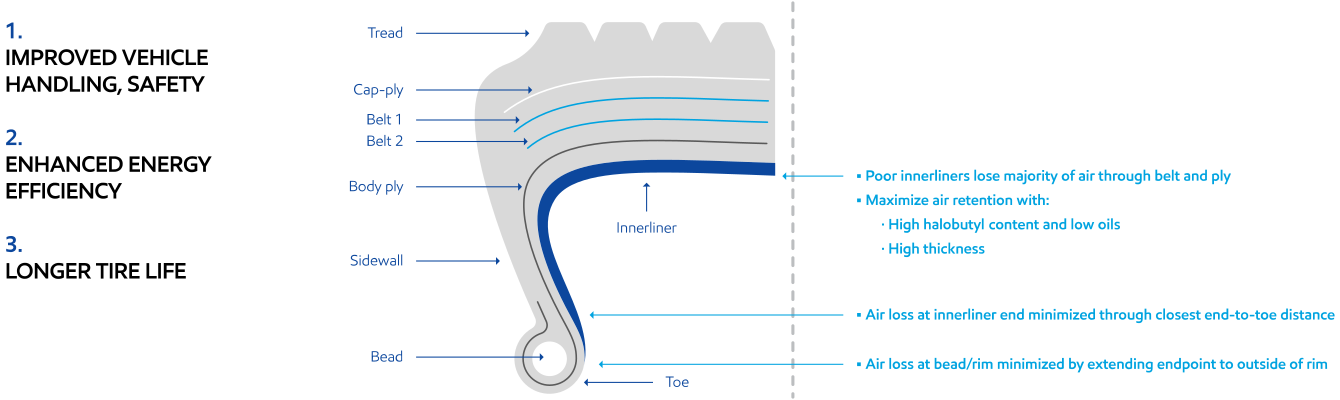
Better tire performance starts with optimal innerliner air retention. Conventional innerliner compounds include bromobutyl and chlorobutyl polymers. By designing effective innerliner systems, air loss and therefore “in-use” rolling resistance, can be minimized. This allows for better fuel efficiency - which is directly connected with CO2 emissions – and longer lasting battery range to be achieved.
Count on us, anytime. ExxonMobil provides top-notch rubber solutions for tire innerliner systems, while ensuring on-time, premium quality products delivery all year long, as well as readily-available support and technical expertise anywhere in the world.
Keeping the air inside. Why?
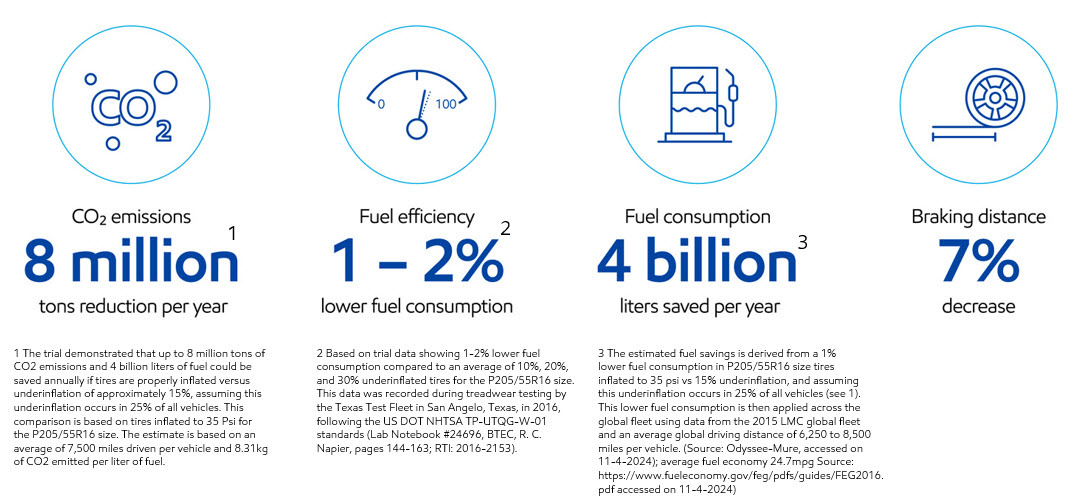
Air loss impacts vehicle handling, braking, safety, fuel economy, and tire life. Low tire pressure is costly, unsafe and not fuel-efficient: The solution is to maintain the air inside the tire while “in-use” for optimum performance.
Today, transportation accounts for about 25 percent of global energy related CO2 emissions. As more people around the world gain access to personal mobility, meeting the demand for lower-emission fuels solutions will be essential for a lower GHG emission future. Air that stays inside the tire can help. The Inflation Pressure Loss Rate (IPLR) test is a standard method to determine the rate at which the tire will lose pressure. Low IPLR means good air retention, which helps keep the original tire performance and improve vehicle handling. As the mobility sector shifts to more electric and autonomous drive systems, air retention becomes more important than ever.
Exxon™ butyl rubber is the top-notch solution for designing efficient innerliner compounds that will allow you to optimize the driving range of EVs, as well as the fuel economy and CO2 emissions of ICE vehicles.
How can air increase an Electric Vehicle’s range?
The passenger fleet is evolving beyond private-owned Internal Combustion-Engine vehicles. Electric vehicles are heavier, create greater torque and are more demanding on tires. What’s more, with longer maintenance intervals anticipated, air pressure will be checked and adjusted less frequently. This requires tire manufacturers to build a stronger, more durable product, addressing the needs of long-lasting performance, durability and energy efficiency.
Weight matters.
The batteries that power electric vehicles weigh more than gas-powered engines. This added weight bears heavily on the tires, resulting in high energy consumption and decreased vehicle range.
Optimal air pressure -> low rolling resistance = maximum EV battery range
Good air retention means low Inflation Pressure Loss Rate (IPLR), which measures the air a tire loses per month and, when it comes to innerliners, it varies widely depending on the compound composition and gauge. The lower, the better. Low IPLR can minimize the “in-use” rolling resistance and maximize the EV driving range. This can be achieved by designing efficient innerliner compounds with Exxon™ halobutyl rubber.
Oppera™ Resins: Empowering Tire Compound Designers with Advanced Performance Benefits
The Tire is the most complex composite in mass production, most complex component on a vehicle. Oppera ™ versus other additives improves compound properties, enables more flexibility and efficiency in compound development. Oppera™ provides a good balance between Tread Wear , Rolling Resistance, and Wet Traction. Key benefits Enhanced Wet Traction
- Oppera resins deliver superior wet grip for summer low-rolling-resistance treads and high-performance tires (HPT).
- Safety is improved for all-season tires by boosting traction on wet surfaces.
- In HPT applications, Oppera resins reduce rolling resistance, contributing to improved fuel efficiency for internal combustion engine (ICE) vehicles and extended range for electric vehicles (EVs).
- All-season tires benefit from customizable rolling resistance through various resin grades.
- By increasing the compound’s storage modulus (G’), Oppera resins help minimize irregular wear and enhance cornering stability.
- Optimized tread wear resistance leads to longer-lasting tires.
- Consistent performance across conditions: Reduced irregular wear supports reliable traction in wet and winter environments.
- Winter-specific solutions: Oppera PR373 and PR383 are engineered to enhance ice and snow grip in winter tire formulations.
Evolving trends in fleet efficiency lead back to the basics of tire pressure
How do properly inflated tires affect energy consumption in EV’s?

Real road tests for EV tires inflation pressure

How can halobutyl content in tire innerliner impact air retention, tire life and battery range?
It All Makes a Difference
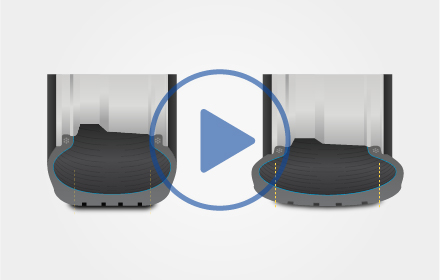
Properly inflated tires make all the difference
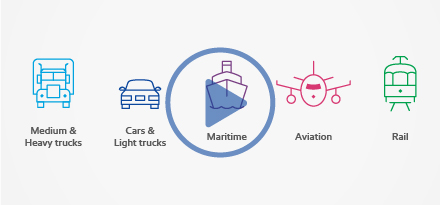
Which transportation sector emits the most CO2 emissions?
Tire air retention matters for battery EV range

Over time tire air retention matters for in-use rolling resistance
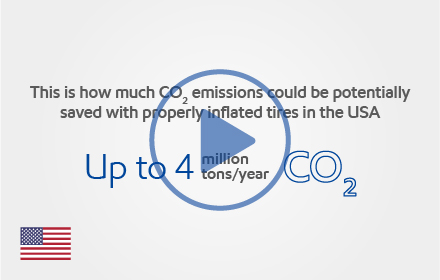
USA: The mathematics of CO2 emissions savings with properly inflated tires
Related products & solutions
Butyl
