
Need help finding a product?
Quickly find the right ExxonMobil chemical and polymer solutions for your application needs with our easy-to-use product selector tool.
EXXONMOBIL
MOBIL
EXXONMOBIL
EXXONMOBIL
ExxonMobil
EXXONMOBIL
EXXONMOBIL CHEMICAL
EXXON
XTO
PROXXIMA
EXXONMOBIL
EXXONMOBIL
ESSO
ExxonMobil
EXXONMOBIL
EXXONMOBIL
EXXONMOBIL
MOBIL
EXXON MOBIL
EXXONMOBIL
EXXONMOBIL
EXXONMOBIL
MOBIL
MOBIL
EXXONMOBIL
EXXONMOBIL
EXXONMOBIL
EXXONMOBIL
EXXONMOBIL
EXXONMOBIL
EXXONMOBIL
EXXONMOBIL
ExxonMobil Asia Pacific region
EXXONMOBIL
EXXONMOBIL
EXXONMOBIL CHEMICAL
MOBIL
EXXONMOBIL
EXXONMOBIL
EXXONMOBIL
MOBIL
EXXONMOBIL
MOBIL
EXXONMOBIL
MOBIL
MOBIL
MOBIL
EXXONMOBIL
MOBIL
EXXONMOBIL
EXXONMOBIL
MOBIL
EXXONMOBIL
EXXONMOBIL
ExxonMobil
EXXONMOBIL
EXXONMOBIL CHEMICAL
EXXON
XTO
PROXXIMA
EXXONMOBIL
EXXONMOBIL
ESSO
ExxonMobil
EXXONMOBIL
EXXONMOBIL
EXXONMOBIL
MOBIL
EXXON MOBIL
EXXONMOBIL
EXXONMOBIL
MOBIL
EXXONMOBIL
EXXONMOBIL
EXXONMOBIL
EXXONMOBIL
EXXONMOBIL
EXXONMOBIL
EXXONMOBIL
EXXONMOBIL
ExxonMobil Asia Pacific region
EXXONMOBIL
EXXONMOBIL
EXXONMOBIL CHEMICAL
MOBIL
EXXONMOBIL
EXXONMOBIL
EXXONMOBIL
MOBIL
EXXONMOBIL
MOBIL
MOBIL
MOBIL
EXXONMOBIL
MOBIL
EXXONMOBIL




Alkylated naphthalene

Branched higher olefins

Butyl

Catalysts

EPDM rubber

Esters

Higher alcohols

Linear alpha olefins (LAO)

Neo acids

Plasticizers

Polyethylene

Polymer modifiers

Polyolefin plastomers & elastomers

Polypropylene

Solvents & fluids

Polyalphaolefins

Tackifiers

Transformer oils

Thermoset systems









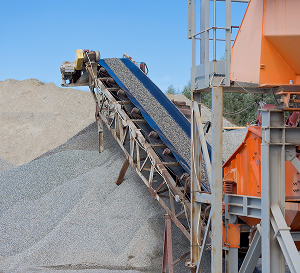


Quickly find the right ExxonMobil chemical and polymer solutions for your application needs with our easy-to-use product selector tool.



ExxonMobil breakthrough process technologies are engineered to enhance operational efficiency, reduce environmental impact, and deliver superior product performance. Our innovative solutions support global industries with scalable, sustainable advancements in chemical manufacturing.